
How our louvre roofs keep you protected from the rain
Rain protection with louvre roofs
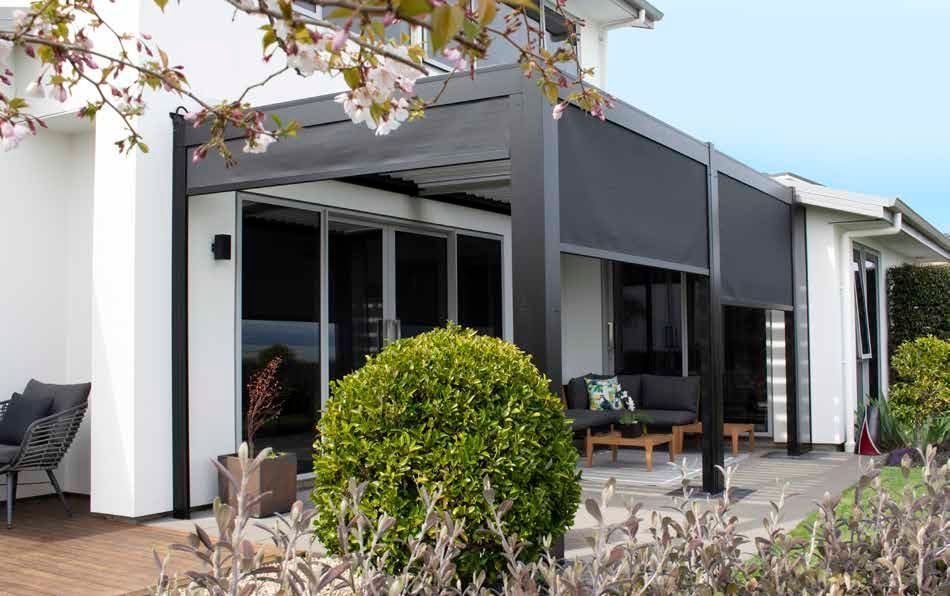
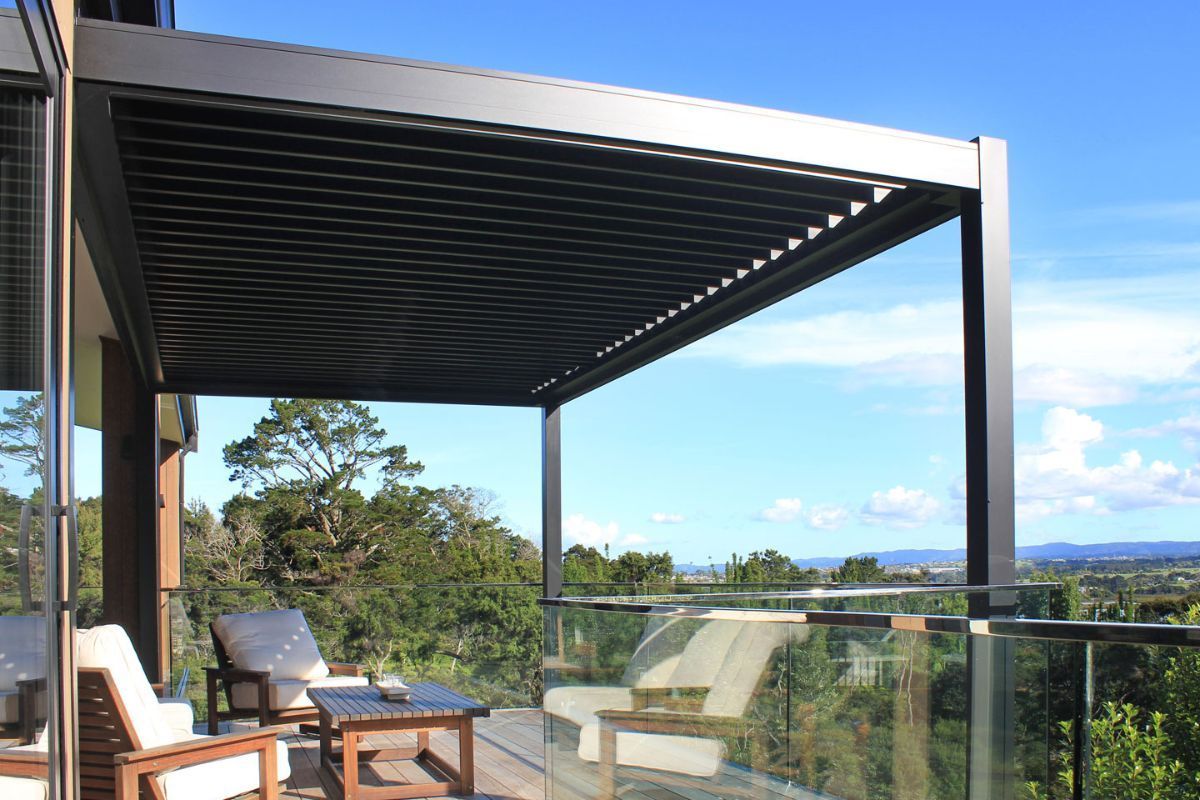
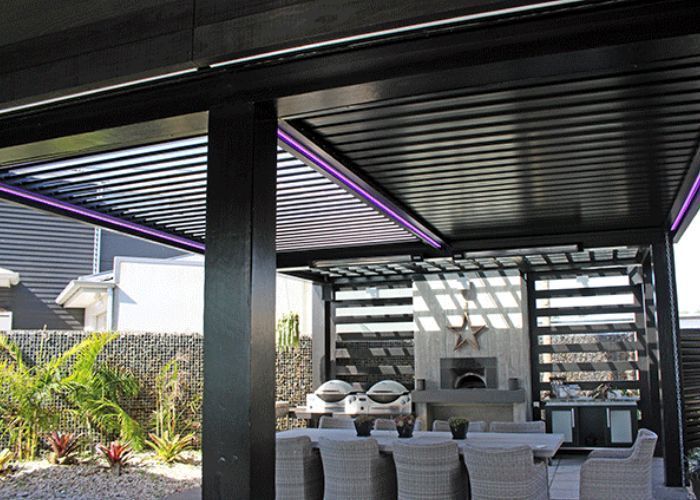
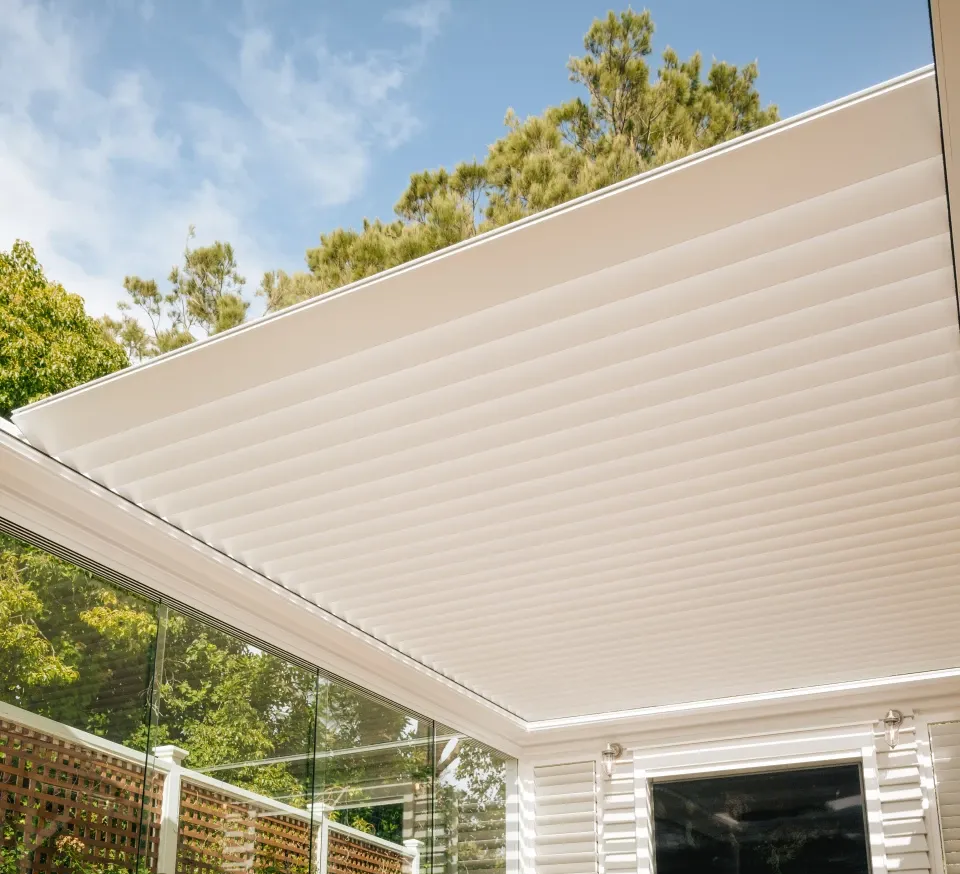
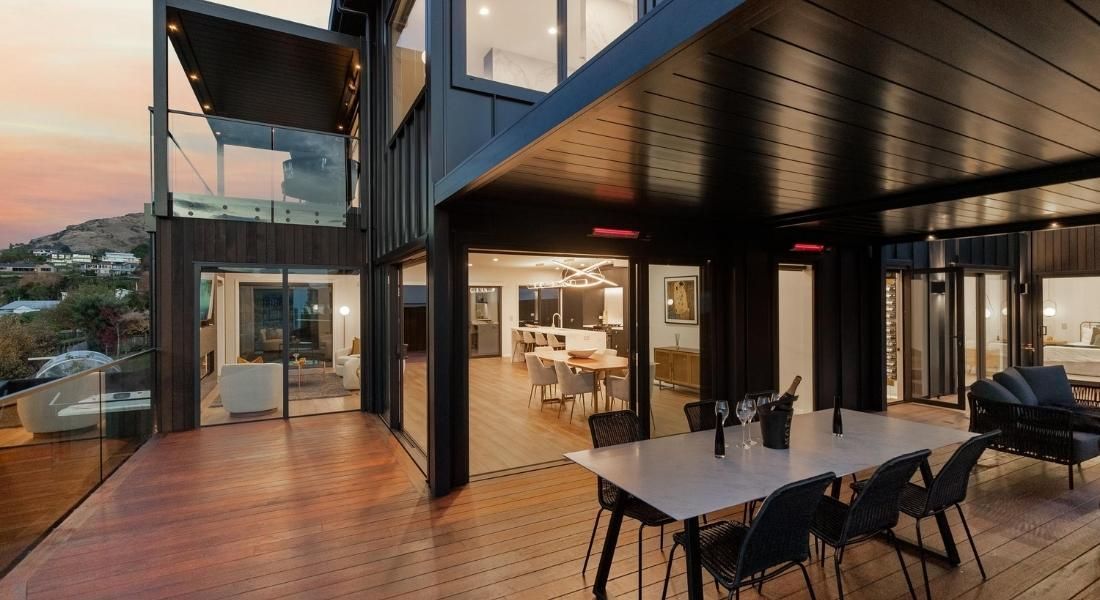
Rain is the real test for an outdoor cover. It is easy for a space to look great on a clear day, but once the weather turns you quickly find out whether it actually works for daily life. That is where our louvre roofs stand out. When the louvres close, the system is designed to help manage rainfall in a controlled way, keeping the area below more usable. The details matter here, especially how water is collected and directed away so you are not dealing with constant dripping at the edges, wet walkways or splash zones near entry points.
In this post, we will explain how louvre roofs manage rain, including integrated gutters, hidden downpipes and rain sensors, so you know what to look for when planning your setup.
What we'll cover
How louvre roofs manage rain
What happens when the louvres close.
Integrated gutters
Built-in drainage that keeps water under control.
Hidden downpipes
A cleaner look and more predictable runoff.
Rain sensors
Less rushing around when showers hit.
FAQs
Answers to some commonly asked questions.
How louvre roofs manage rain
Windier days, cooler evenings and more unpredictable weather
When it starts raining, you can close the louvres and turn the area into proper cover, without having to pack everything up or head inside. Once the blades are shut, the roof is designed to guide water away rather than letting it drip straight into the space. How well a louvre roof feels to use in wet weather often comes down to what happens next. If water isn’t collected and directed to drainage points, it tends to show up in the most frustrating places: dripping along the edges, running into walkways or landing near the door where everyone steps in and out.
This is why the drainage side of the design matters so much. Even when you’re under cover, edge dripping can still make a seating area feel damp. Water in high-traffic zones can leave surfaces slippery and messy. And if water exits in the wrong place, it can splash back and keep the area wet longer than it needs to. So it’s not only about closing the louvres when the weather changes. It’s also about having a roof that manages the water properly once they do.
Integrated gutters
The built-in system doing the hard work
What integrated gutters are
Integrated gutters are built into the louvre roof frame to collect rainwater once the louvres are closed, then guide it toward the drainage points. Because they are part of the system, they usually look neater than add-on guttering.
Why they matter
The main advantage is that water is collected and directed away neatly, instead of running off the perimeter. That can mean fewer annoying drip lines around the edges, and less water landing where you walk, sit or enter the space.
How we make sure it works for your space
We look at how you use the area, then plan the drainage so it makes sense in real life.
Entry points and walkways
We aim to keep the main paths in and out drier and less splashy.
Seating and dining zones
We factor in where you’ll actually sit, eat and move around day-to-day.
A tidy finish
The drainage is built into the design, so the roof looks considered from every angle.
Hidden downpipes
Where the water goes next
What hidden downpipes are
Once water is collected in the guttering, it needs somewhere to go. In many louvre roof systems, the downpipes are concealed inside the supporting posts, so rainwater can travel down through the structure rather than running down an exposed pipe on the outside.
Why they matter
Hidden downpipes keep the overall look cleaner, but they also help with practical comfort. When water is directed down through the posts, it is easier to control where it exits, which can reduce dripping and splashing around the edges of the patio.
What to think about when planning your setup
With our louvre roofs, you can choose which post the water discharges from, so it can be directed to the most practical place, for example near an existing stormwater drain and away from doorways, seating areas and main walkways.
Discharge location
Where does the water exit at ground level, and is it away from doors and high-traffic walkways?
Stormwater connection
If you have an existing stormwater drain nearby, can the discharge be positioned to suit it?
Splashback
Will the outlet point create splash zones that keep nearby areas wet after the rain has stopped?
Rain sensors
Staying one step ahead of the weather
Our louvre roofs come with the option of adding rain sensors, which are designed to detect rainfall and automatically close the louvres. It is a practical feature that helps the space stay protected when the weather changes quickly.
Why it matters
One of the biggest frustrations with outdoor living is having to rush around when a shower hits. Rain sensors help take that pressure off. If you are inside, out of the house or simply not paying attention, the roof can respond fast and help protect the area below. That means fewer wet cushions, less hassle and a setup you can leave in place more often, rather than packing everything away just in case.
Easy control when you want it
Even with automation, you still want the roof to be simple to use day-to-day. Motorised louvres make it easy to adjust the angle for airflow and light, then close fully when the rain sets in. That mix of quick manual control and automatic protection is what makes louvre roofs feel genuinely practical, not weather-dependent.
Make your outdoor space usable regardless of the weather
A louvre roof should look good and make outdoor living easier when the weather changes. When rain starts, the difference is in the details: how water is collected, where it’s channelled and how neatly it’s directed away from the spaces you actually use.
Integrated guttering and hidden downpipes play a big role in day-to-day comfort. They help reduce the drip-line effect around the edges and keep runoff more controlled, so you are less likely to end up with wet walkways, splash zones near entrances or a patio that still feels damp even when you are under cover.
If you want an outdoor area that feels more usable through changeable weather, we can help you plan a louvre setup that suits your home and the way you live. Get in touch to book a measure and quote, and we will talk you through placement, options and any oter options that make the space easier to use year-round.
Considering a louvre for your space?
Get in touch with us today to explore the best options for your home.
FAQs
Are louvres suitable for Wellington weather?
Yes. Louvres are designed for changeable conditions because you can adjust them for sun and airflow, then close them for overhead cover when the weather shifts.
Can louvre roofs be used year-round?
Yes. Because you can open the louvres for airflow and sun, then close them when the weather changes, louvre roofs can make an outdoor area feel usable across more of the year, not only on perfect days.
Will it drip water from the edges?
Our louvre roofs are designed to reduce the usual drip-line problem by collecting water through integrated guttering, then directing it away through the drainage system. That controlled flow makes a noticeable difference compared with cover options where rain simply runs off the perimeter.
Do I need heating if I have louvres?
Not always, but heating can make a big difference once evenings cool down. A covered area holds warmth better and targeted heating near seating helps you stay outside longer.
Where does the rainwater go?
Rainwater is collected through the integrated guttering, then channelled down through hidden downpipes within the structure before exiting at ground level.
Find out more about our louvre roof options here.
Want to create the perfect outdoor living space?
Explore our product range: