
Prepare your outdoor area for autumn with a louvre roof
Prepare your outdoor area for autumn with a louvre roof
As we approach the end of summer in Wellington, outdoor living starts to shift. The days can still feel warm and bright, but the evenings cool off faster, the breeze has more bite and a quick shower can roll through without much warning. Suddenly, the deck you have been using most weekends becomes a space you only use when the forecast is perfect.
If you want to keep using your outdoor area as we head into autumn, comfort comes down to a few simple things: overhead control, shelter from wind and a way to keep the space warm and inviting once the sun drops. That is where louvres can make a real difference for Wellington homes. With adjustable blades, you can manage shade and airflow in late summer, then close things down for cover when the weather turns.
In this article, we will look at what changes first as the seasons shift, why louvres Wellington homeowners choose are so practical and the add-ons that help your outdoor space stay usable for longer.
What we'll cover
What changes as Wellington moves into autumn
A quick look at the main comfort challenges, wind, cooler evenings and sudden weather shifts.
Why louvres suit Wellington outdoor living
How adjustable louvres help manage sun, airflow and shelter, including SunPivot® and SunFold® options.
Wind and rain protection
Ways to keep the space calmer and drier using outdoor blinds or glass sliding doors, plus rain sensors for added convenience.
Heating and lighting
Simple, practical ideas to add warmth and make the area usable and inviting after sunset.
FAQs
Answers to some commonly asked questions.
What changes as Wellington moves into autumn
Windier days, cooler evenings and more unpredictable weather
In Wellington, a fixed cover can feel limiting because conditions can change quickly. That is where louvres really shine. Instead of being stuck with one level of sun or shelter, you can adjust the roof to suit the moment.
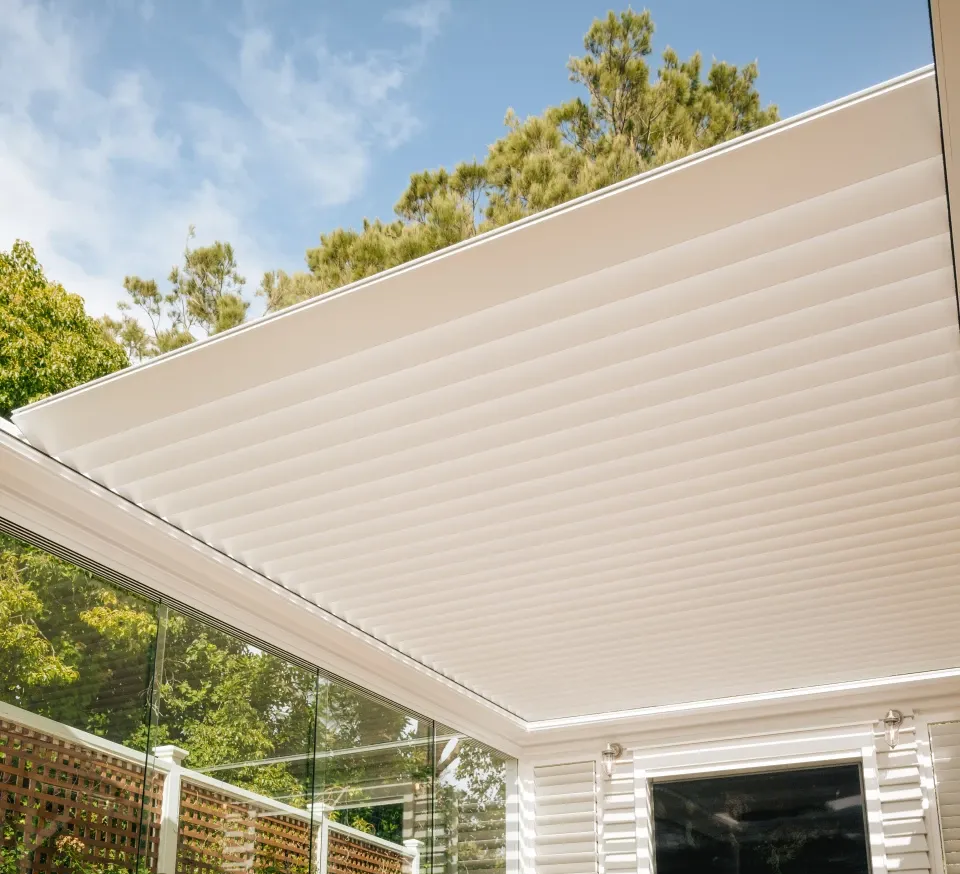
A great example is SunPivot® technology. With pivoting louvres, you can rotate the blades (up to 90 degrees) to fine-tune sunlight and ventilation, which is ideal when you want shade without shutting the space in. It is also designed to provide cover in wet weather, giving you more confidence when a light shower rolls through.
If you want even more flexibility, SunFold® takes it a step further. SunFold® is a retracting and folding louvre roof that can open up your outdoor area to the sky (up to 75% retracted), or sit partially open and pivoted to control light and airflow. That means you can move between full shelter, filtered light, or open-air outdoor living depending on the weather and how you want the space to feel.
For many louvres Wellington homeowners choose, it comes down to this: you get a space that can handle sun, breeze and passing showers without needing perfect conditions to enjoy it.
Next, we will cover the setup choices that make the biggest difference in Wellington, including wind protection, staying dry during quick showers, and simple ways to add warmth and ambience as evenings cool down.
Below are some of the ways a custom built louvre roof can be tailored with additional features
Outdoor blinds
Outdoor blinds can be added to create privacy and extra weather protection around your louvre roof. They help block wind and light rain while still letting in filtered light so the space feels more like an outdoor room.
Glass sliding doors
Glass sliding doors give you the option to fully enclose one or more sides of your space while keeping a clear view. They provide strong weather protection and a premium finish that makes the area feel more like a dedicated outdoor living zone.
LED lighting
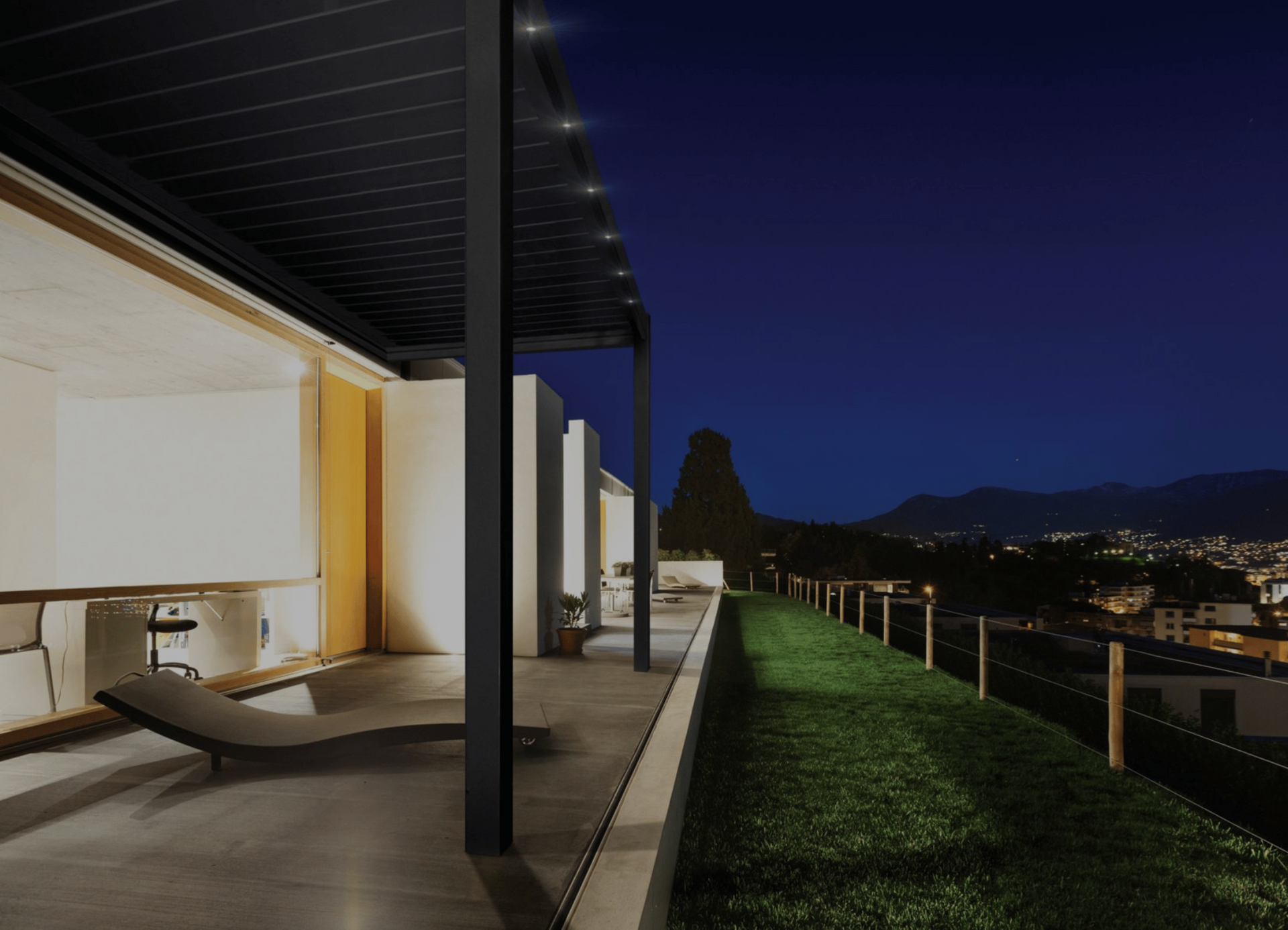
Integrated LED downlights or strip lighting allow you to use the space comfortably in the evenings. They can be positioned to highlight key areas, create a soft glow or provide practical task lighting over dining and seating zones.
Heating options
Heating strips can be built into the design of your louvre roof so warmth is directed where you sit, not lost into the air above. This makes the space more usable on cooler days and extends how often you can enjoy your outdoor area all year.
Make it comfortable
Wind protection, rain cover and warmth
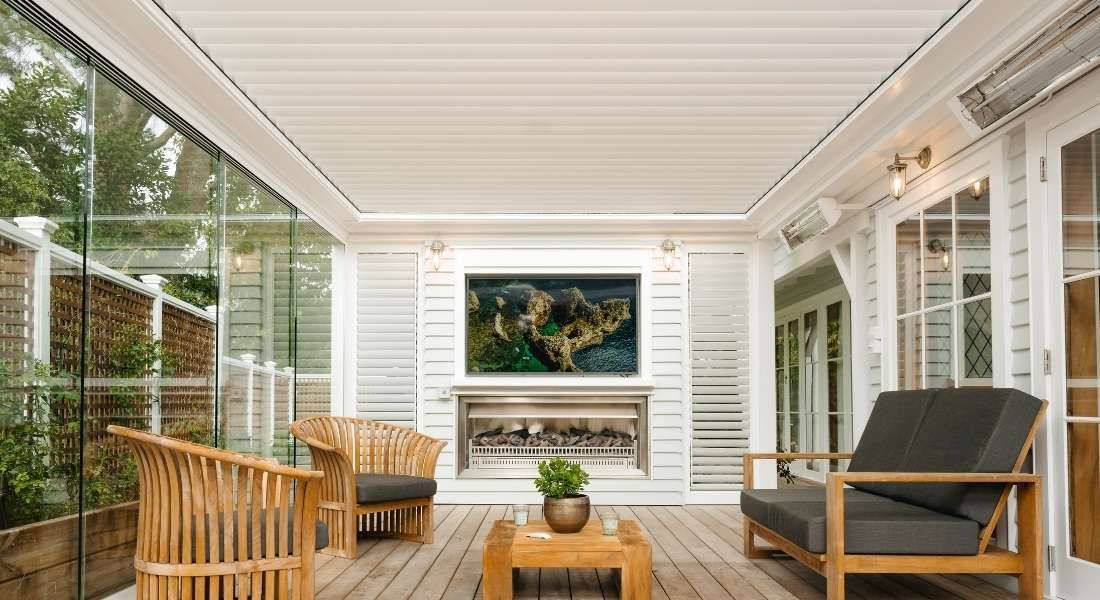
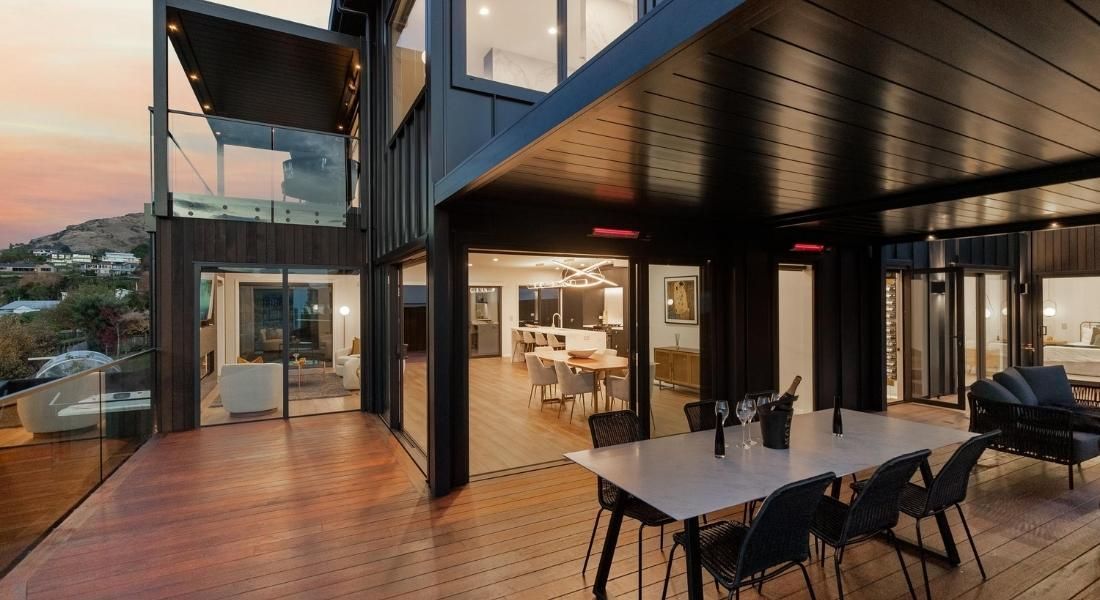
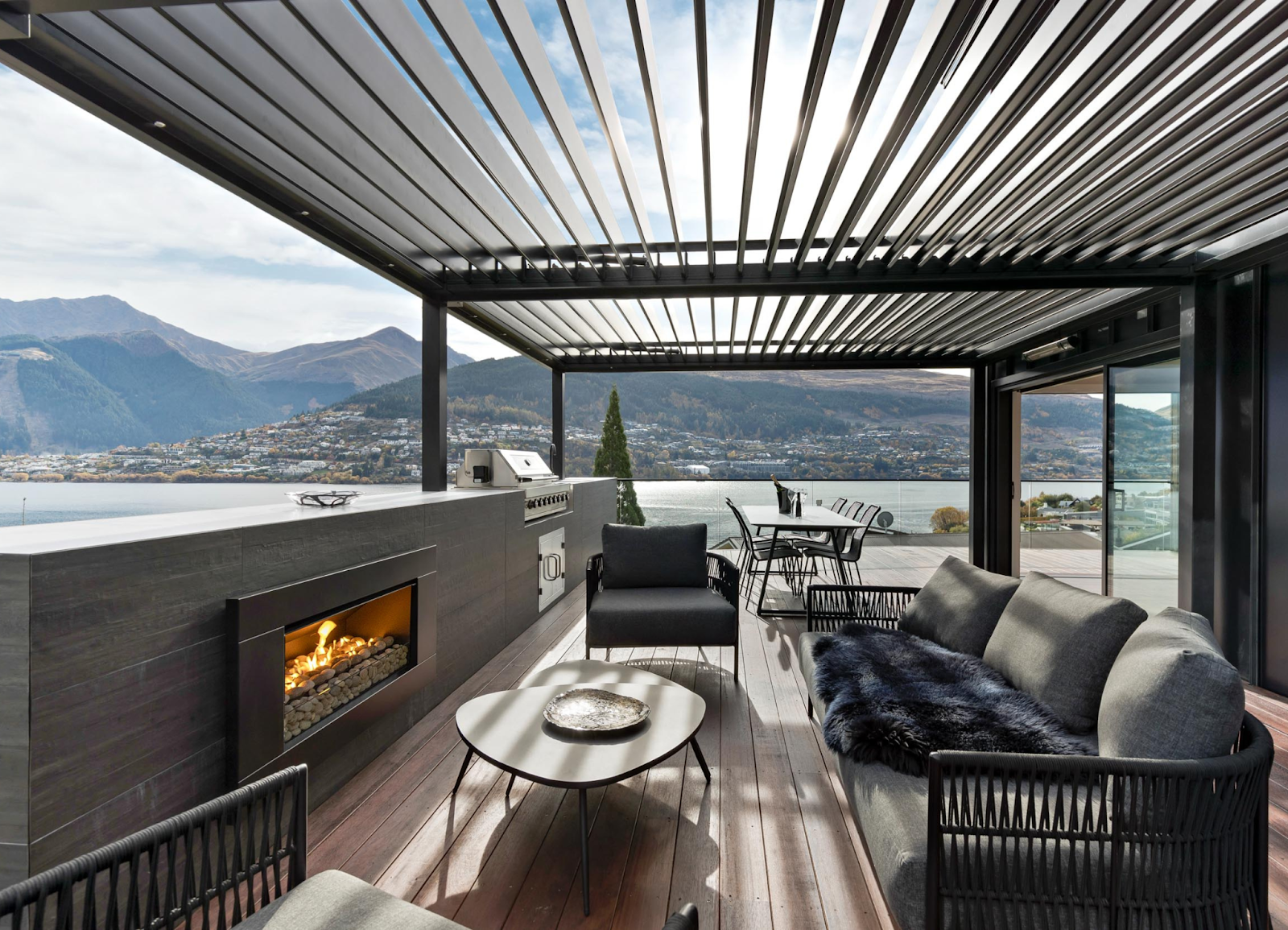
In Wellington, outdoor comfort is less about having one “perfect” setup and more about making the space work when conditions shift. A louvred area already gives you great control over sun and overhead shelter, but to keep the deck feeling genuinely usable as the seasons change, it helps to think about the everyday details that affect comfort most.
Wind can make the space feel colder than it is, rain can drift in from the sides and evenings cool off quickly once the sun drops. A few smart additions can make a big difference to how often you use the area, and how enjoyable it feels when you do.
Wind protection
Even with a roof above, wind can make the area feel cold and unsettled. Adding outdoor blinds or glass sliding doors can make a noticeable difference because it reduces gusts through the space and helps hold warmth in. Glass sliding doors create an outdoor room, giving you a sheltered zone that stays bright and connected to the rest of your home.
Smart blocking
Protecting the most exposed side gives you the biggest return straight away. Once that side is sheltered, the space feels noticeably calmer, and any heating and lighting you add will work more effectively too.
Seating placement
Where you place furniture matters. Positioning your main table or lounge area away from the most exposed edge helps the space feel warmer and more enjoyable, especially as evenings cool down.
Cosy corner
Create a cosy corner (wind-protected zone) so the area feels calmer and more comfortable. A sheltered spot makes the whole outdoor area more usable because it becomes a go-to place people naturally gather. Even a small protected corner can make outdoor dining and relaxing feel far more comfortable.
Rain readiness
Louvres help you stay covered, but comfort improves again when you plan for what happens around the edges. If rain is blowing in, side protection matters. It also helps to plan a dry pathway from the house to the outdoor zone, so you are not stepping into wet patches.
Store cushions so they stay ready to use
A simple storage box means you can pack cushions away quickly when the weather turns, without dragging everything inside. It also helps them stay cleaner and drier so the space is always ready to use.
Choose quick-dry outdoor fabrics
Quick-dry materials handle dew and light showers much better, so you are not stuck waiting ages for seats to dry out. They also help reduce that damp feeling that can linger in cooler months.
Set up a reliable dry zone by the door
Having one reliable spot that stays dry makes the space easier to use day to day, especially if you are carrying food, drinks or cushions outside. It also helps stop wet footprints being tracked in and out of the house.
Warmth and lighting
As evenings cool, a little warmth goes a long way. Under a covered area, heaters are often a practical option, as long as they are installed and used to manufacturer guidance. Pair that with warm lighting and the space feels inviting, not like a daytime-only area.
Layer your lighting for comfort
Use warm lighting to make the space feel inviting in the evenings, then include a brighter light near the table or serving area so meals are actually easy and comfortable outdoors.
Add simple cosy touches
Use a rug and a few throws so the space feels cosy when temperatures drop.
A rug helps take the chill out from underfoot and makes the area feel more like a living space, while throws give everyone an easy way to stay warm once the temperature dips.
Heating placement
Focus heat and light on the seating and dining zones so it is doing the most work where you spend time, rather than being wasted in high-traffic areas people just walk through.
Wind and rain protection
Make your louvred space more dependable
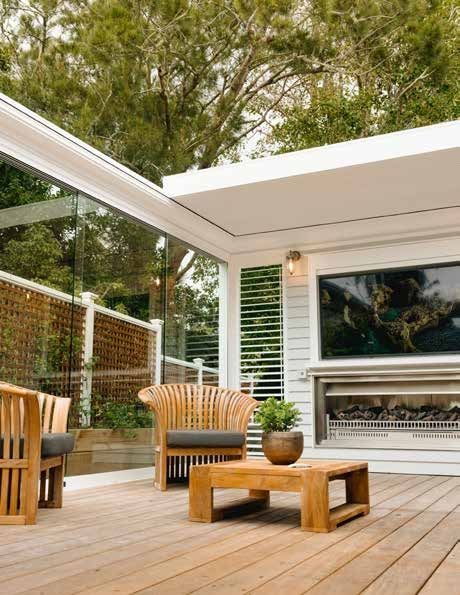
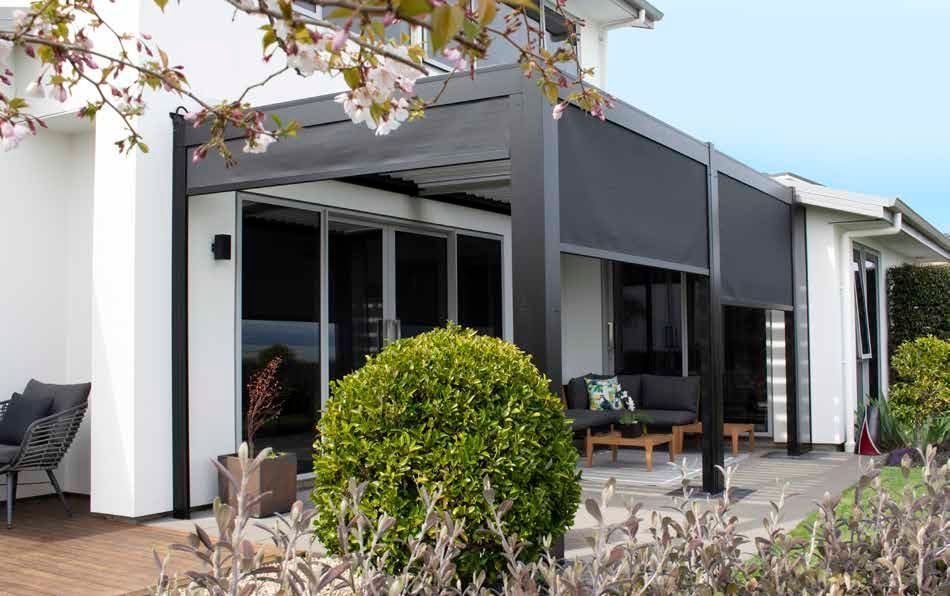
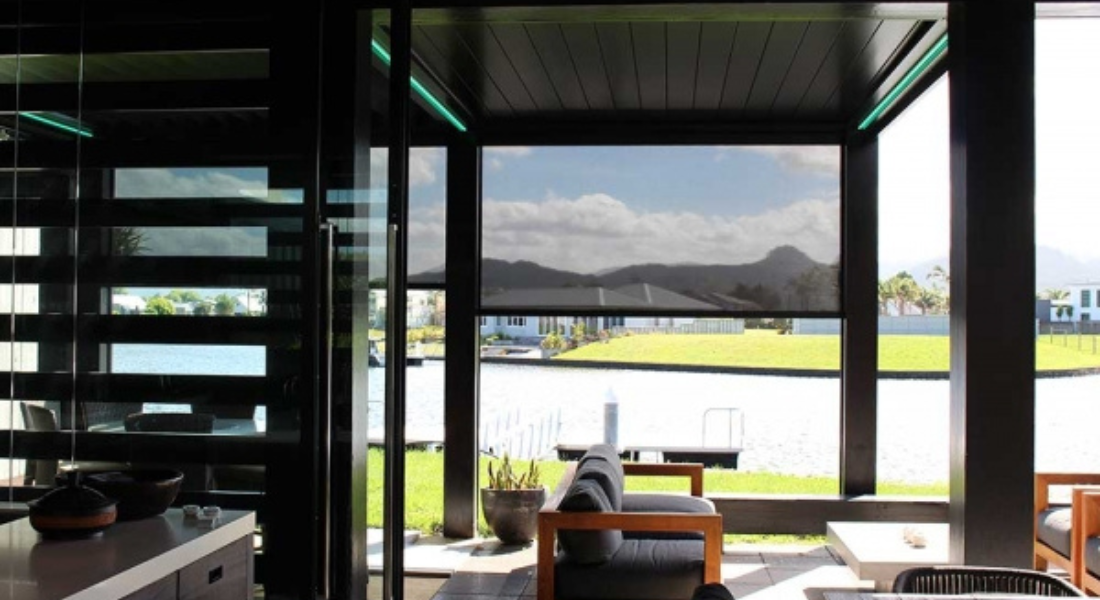
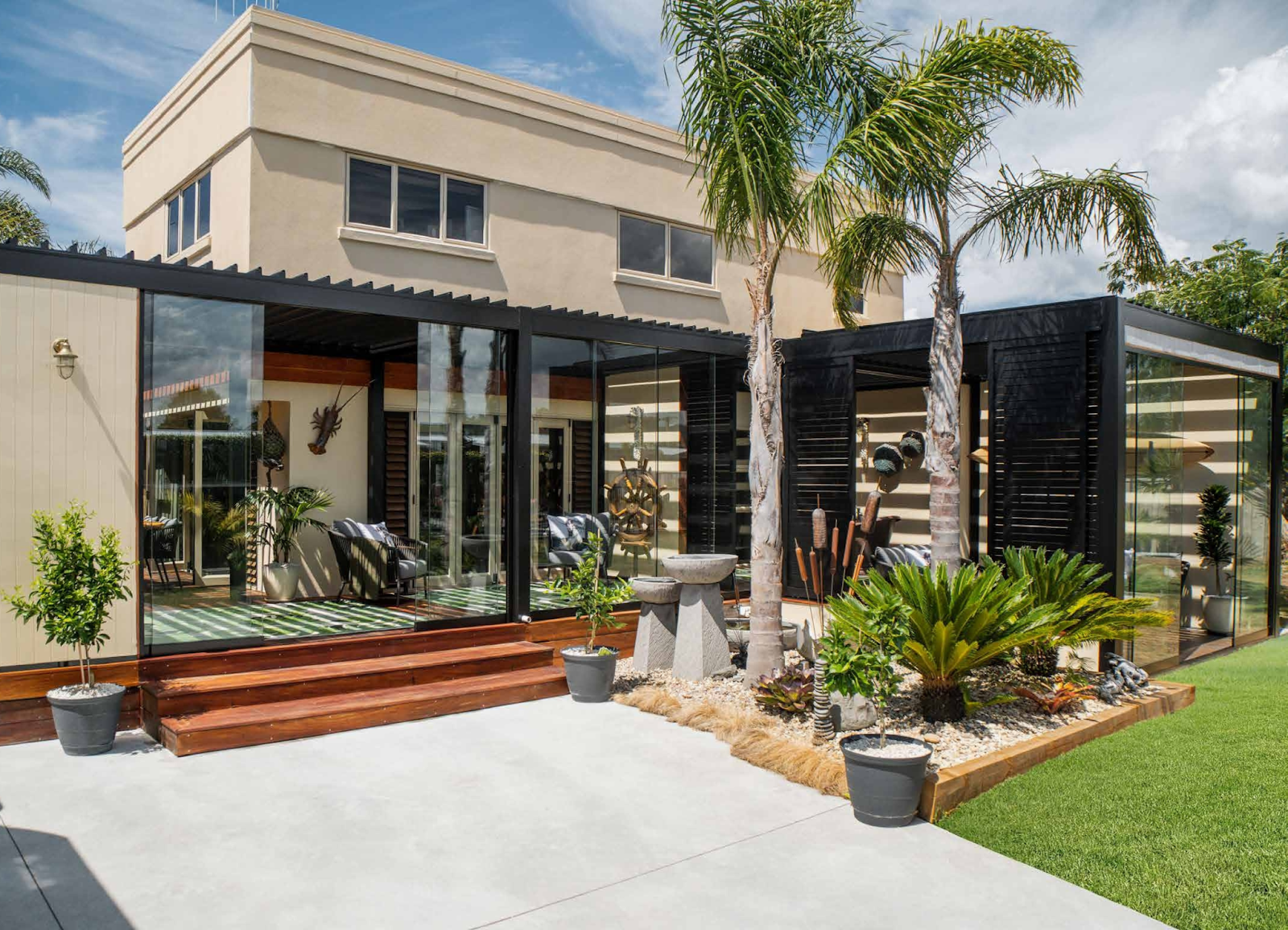
With louvres overhead, you already have strong control over sun, airflow and overhead shelter when conditions change. In Wellington, the biggest comfort gains usually come from reducing exposure at the sides so the space stays calmer and drier more of the time.
Wind protection
A louvre roof covers you from above, but wind can still move through the area and pull warmth away, especially in the evening. Adding outdoor blinds or glass sliding doors makes the space feel noticeably more settled by cutting gusts and reducing cross-breezes through the seating zone. Glass sliding doors create an outdoor room, giving you a sheltered zone that stays bright and connected to the home, so you can use it more consistently as the seasons shift.
A good rule of thumb is to protect the side where the wind hits first. In many setups, covering one or two sides is enough to change the whole feel of the space without enclosing everything.
Rain protection
When the louvres are closed, they provide reliable overhead cover from rain, which means a passing shower does not have to end the moment. For Wellington conditions, the next level of comfort is reducing rain drifting in from the edges, especially when the wind changes direction.
If you want extra peace of mind, you can also add an optional rain sensor. It detects rainfall and can automatically close the louvres into a rain-protection position, which is handy if the weather turns while you are inside, out of the house, or just not paying attention to the forecast.
Heating and lighting
Make the space usable after sunset
Once your outdoor area is protected, warmth and lighting are what turn it into somewhere you actually want to sit in the evening, not just a daytime space.
Heating
Under a covered area, heat is easier to hold, especially if you have some wind protection in place. Heating works best when it is positioned where people sit and gather, rather than trying to warm the entire outdoor footprint. Think about your main dining or lounge spot first, then plan heat around that zone. Always follow manufacturer guidance for selecting, installing and operating any outdoor heater.
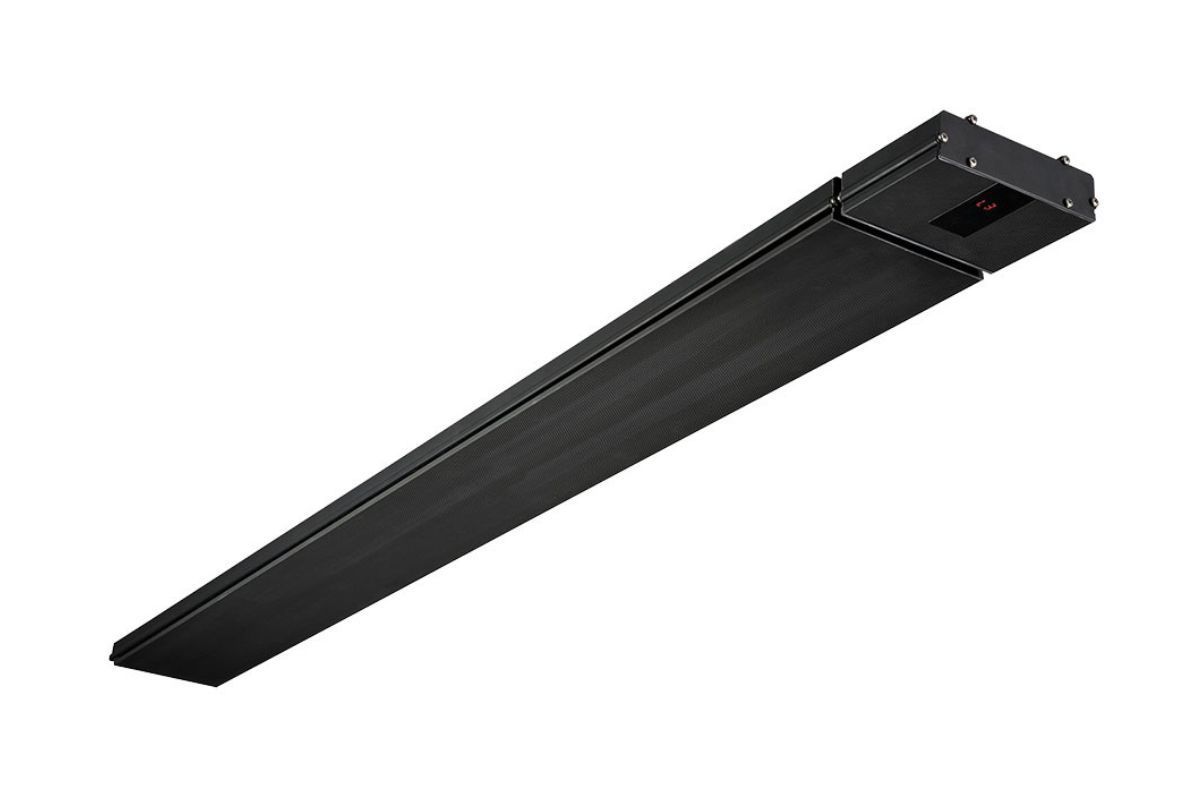
Heatstrip® Classic
Reliable radiant heating for indoor and outdoor spaces.
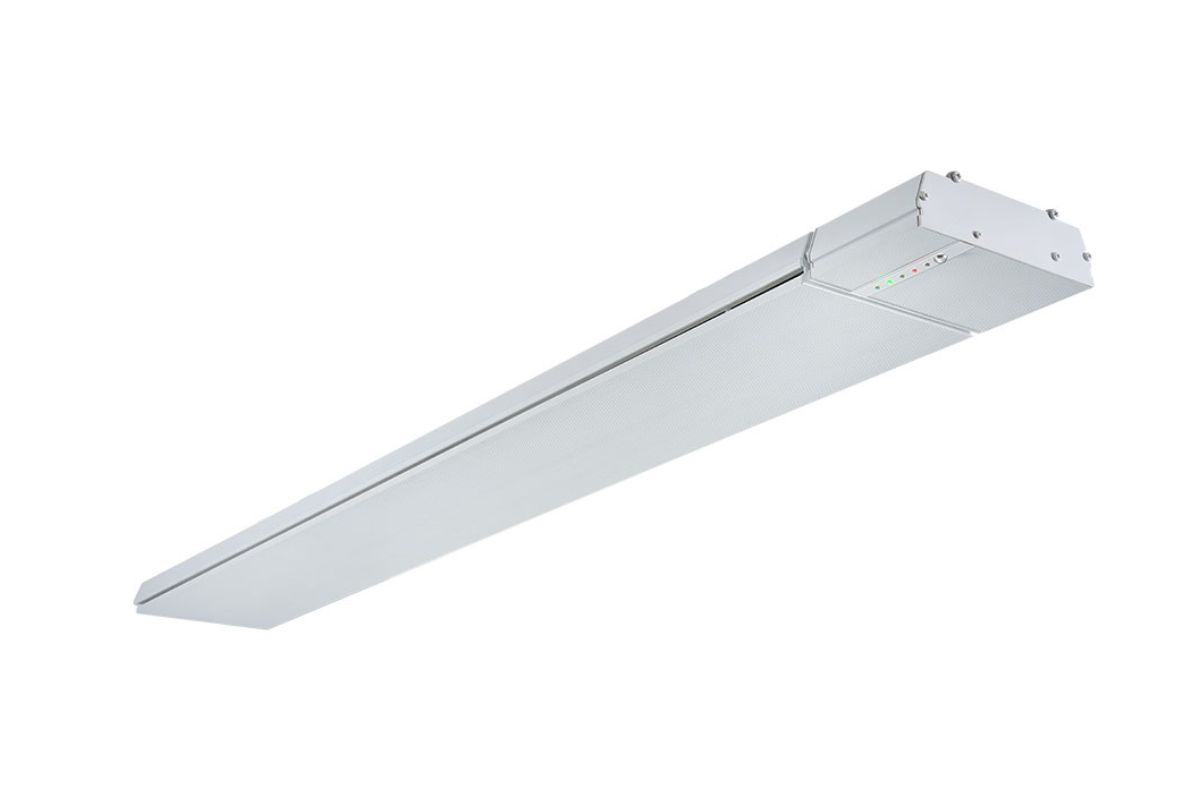
Heatstrip® with remote
Adjust heat levels effortlessly with remote control operation.
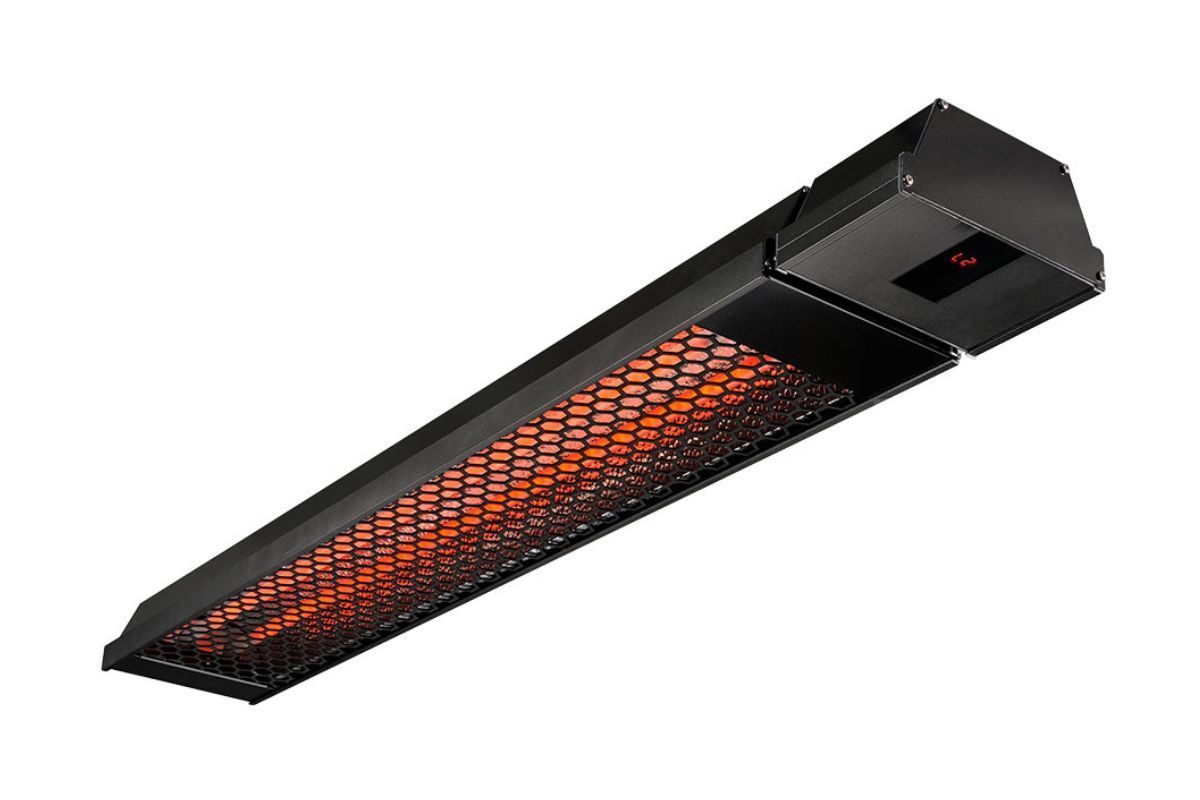
Heatstrip® MAX DC
Ideal for larger or more exposed outdoor areas needing maximum warmth.
Lighting
Lighting is what makes the space practical after the sun drops. Aim for a mix: warm, softer lighting for ambience and a brighter option around the dining table or serving area. If the deck has steps or level changes, subtle edge lighting improves safety and helps the whole space feel finished and inviting through autumn evenings
Make your outdoor space work year-round
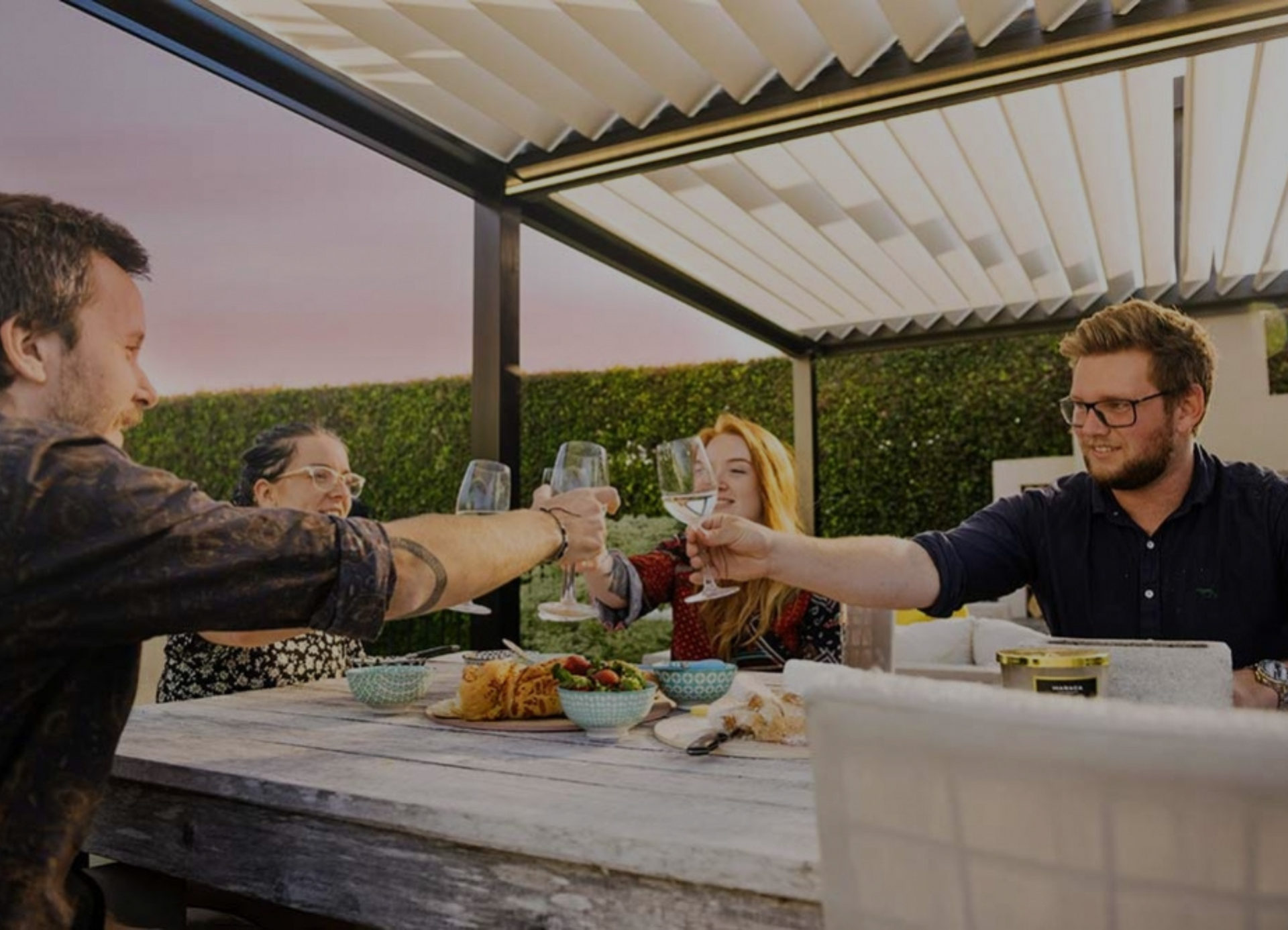
As we approach the end of summer in Wellington, you want to keep your outdoor space comfortable as evenings cool and the weather becomes less predictable. With louvres, you can control sun, airflow and overhead shelter, so your deck stays usable well beyond peak summer.
The key is thinking about your outdoor area the same way you would any other living space. It needs protection, comfort and a setup that makes it easy to use without constantly checking the forecast. In Wellington conditions, that usually comes down to a few priorities that make the biggest difference day to day.
When you get those elements working together, outdoor living does not stop just because summer is winding down. You can still enjoy your deck on breezy days, sit out through light showers and keep the space feeling warm and inviting once the sun drops. It also means your furniture and finishes are better protected, so the area stays ready to use more often, with less fuss.
Considering a louvre for your space?
Get in touch with us today to explore the best options for your home.
FAQs
Are louvres suitable for Wellington weather?
Yes. Louvres are designed for changeable conditions because you can adjust them for sun and airflow, then close them for overhead cover when the weather shifts.
What is the difference between SunPivot® and SunFold®?
SunPivot® is a pivoting louvre system that lets you rotate the blades to control shade and ventilation. SunFold® is a retracting and folding louvre roof that can open the roof space up (by retracting) while also allowing louvres to pivot for light and airflow control.
What helps most with Wellington wind?
Side protection. Outdoor blinds or glass sliding doors reduce gusts through the space and help it feel calmer and warmer, especially in the evenings.
Do I need heating if I have louvres?
Not always, but heating can make a big difference once evenings cool down. A covered area holds warmth better and targeted heating near seating helps you stay outside longer.
Find out more about our louvre roof options here.
Want to create the perfect outdoor living space?
Explore our product range: